← The Political Atheist Show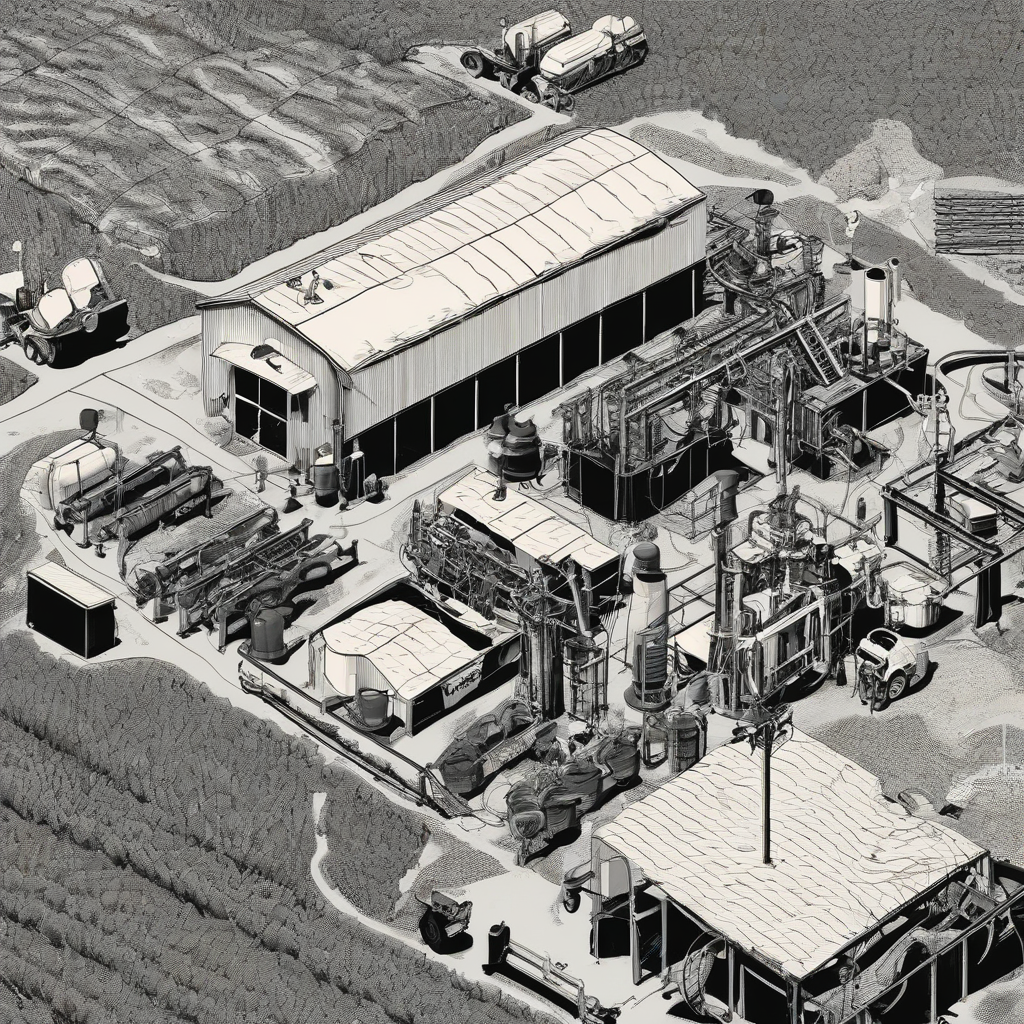
The Political Atheist Show
How industrial agriculture is poisoning rural America’s waterways
“How industrial agriculture is poisoning rural America’s waterways” is an episode of The Political Atheist Show, published 2026-10-17, about 6 minutes long.
10/17/20266 min Free for stations to air
Before you even say good morning, before your coffee has brewed and the sun hits the kitchen table, there is a silent story unfolding just miles from your window. It is a story written in the water that flows from your tap, in the streams that feed our rivers, and in the soil that grows the food on your plate. And for too many rural communities across America, that story is becoming one of quiet crisis and profound injustice.
Welcome back to the show. I am so glad you could join me today. We are going to talk about something that feels distant but is actually incredibly close to home. We are talking about industrial agriculture and the hidden cost it extracts from our rural water systems. Now, when I say industrial agriculture, I am not talking about your local farmer down the road who grows organic tomatoes or raises chickens in a small barn. I am talking about the massive, concentrated animal feeding operations, the factory farms, the monoculture fields that stretch as far as the eye can see. These are the engines of modern food production, and they are efficient, yes. But they are also leaking poison into our most precious resource.
Let us start with nitrates. You might have heard of them in the context of baby formula or fertilizer bags at the garden center. Nitrates come from manure and synthetic fertilizers. On a large scale, these chemicals wash off the fields during rainstorms or seep into the groundwater over time. When that contaminated water reaches our wells and streams, it does not just disappear. It stays. And for families living in rural America, that water is often their only source. They do not have access to municipal treatment plants that can filter out these contaminants. So, they drink it. They bathe in it. They cook with it.
The health effects are real and they are scary. High levels of nitrates in drinking water can cause blue baby syndrome, a condition that prevents an infant’s blood from carrying oxygen. It can lead to thyroid problems, birth defects, and even certain cancers. For adults, long-term exposure is linked to reproductive issues and neurological disorders. Imagine raising a child in a community where the very air and water that should sustain life are slowly stealing their health. That is not a dystopian novel. That is the reality for thousands of families right now.
But it is not just nitrates. We have antibiotics. Factory farms use massive amounts of antibiotics to keep animals healthy in crowded conditions and to promote growth. These drugs do not fully break down in the animals’ digestive systems. They end up in the manure, which is then spread on fields as fertilizer. The antibiotics wash into the water supply, creating a perfect storm for antibiotic-resistant bacteria. We are essentially breeding superbugs in our own backyards, and they are traveling through our water tables. This is a global health threat that starts in the rural heartland.
Then there is phosphorus. This is another key ingredient in fertilizer. When it runs off into lakes and rivers, it causes algal blooms. These blooms choke out oxygen in the water, killing fish and making the water toxic for humans. Think about the dead zones in the Gulf of Mexico. They are largely fueled by runoff from the agricultural heartland. But the damage does not stop at the edge of the farm. It moves downstream, affecting drinking water sources for entire regions. Cities that rely on those rivers have to spend millions more on treatment just to make the water safe. Who pays for that? You do. Through your taxes and your higher water bills.
So why does this continue? Why do we allow this level of pollution in a country that prides itself on environmental stewardship? The answer lies in policy and profit. Subsidies support large-scale monoculture farming over diverse, sustainable practices. Regulations are often weak, underfunded, and poorly enforced. And when violations occur, the fines are often so small that they are seen as just the cost of doing business. For the corporation, it is cheaper to pay the fine than to fix the problem. For the family living downwind or downstream, it is a different story entirely.
We often think of pollution as something visible. Smokestacks, oil spills, trash in the streets. But water pollution is invisible. It is clear, odorless, and tasteless until it is too late. This invisibility makes it hard to mobilize public outrage. People do not see the nitrates in their well water. They do not smell the antibiotic resistance in their shower. They just get sick, and they wonder why.
But here is the thing. We are not powerless. Awareness is the first step. By talking about this, by shining a light on the invisible crisis, we can demand change. We can support policies that hold industrial agriculture accountable. We can buy from local farmers who use sustainable practices. We can advocate for better water testing in our communities. We can vote for representatives who understand that clean water is a human right, not a commodity to be traded away for profit.
Rural America has always been the backbone of this nation. They feed us, they clothe us, they keep our supply chains moving. But too often, they are left behind when it comes to infrastructure and protection. Their water is being poisoned so that we can have cheap food. Is that a trade-off we are willing to accept? I hope not. Because when our water is unsafe, no amount of cheap groceries is worth the price.
I want to hear from you. Have you noticed changes in your local water quality? Do you know any farmers who are trying sustainable methods? Share your stories with us. We are building a community here, and your voice matters.
If you found this episode important, please take a moment to follow the show. It helps us reach more listeners like you, and it allows us to keep digging into the stories that matter most. Share this with a friend, leave a review, and let’s keep this conversation going. Together, we can demand cleaner water and a healthier future for everyone. Thank you for listening, and I will see you next time.
Transcript
Before you even say good morning, before your coffee has brewed and the sun hits the kitchen table, there is a silent story unfolding just miles from your window. It is a story written in the water that flows from your tap, in the streams that feed our rivers, and in the soil that grows the food on your plate. And for too many rural communities across America, that story is becoming one of quiet crisis and profound injustice.
Welcome back to the show. I am so glad you could join me today. We are going to talk about something that feels distant but is actually incredibly close to home. We are talking about industrial agriculture and the hidden cost it extracts from our rural water systems. Now, when I say industrial agriculture, I am not talking about your local farmer down the road who grows organic tomatoes or raises chickens in a small barn. I am talking about the massive, concentrated animal feeding operations, the factory farms, the monoculture fields that stretch as far as the eye can see. These are the engines of modern food production, and they are efficient, yes. But they are also leaking poison into our most precious resource.
Let us start with nitrates. You might have heard of them in the context of baby formula or fertilizer bags at the garden center. Nitrates come from manure and synthetic fertilizers. On a large scale, these chemicals wash off the fields during rainstorms or seep into the groundwater over time. When that contaminated water reaches our wells and streams, it does not just disappear. It stays. And for families living in rural America, that water is often their only source. They do not have access to municipal treatment plants that can filter out these contaminants. So, they drink it. They bathe in it. They cook with it.
The health effects are real and they are scary. High levels of nitrates in drinking water can cause blue baby syndrome, a condition that prevents an infant’s blood from carrying oxygen. It can lead to thyroid problems, birth defects, and even certain cancers. For adults, long-term exposure is linked to reproductive issues and neurological disorders. Imagine raising a child in a community where the very air and water that should sustain life are slowly stealing their health. That is not a dystopian novel. That is the reality for thousands of families right now.
But it is not just nitrates. We have antibiotics. Factory farms use massive amounts of antibiotics to keep animals healthy in crowded conditions and to promote growth. These drugs do not fully break down in the animals’ digestive systems. They end up in the manure, which is then spread on fields as fertilizer. The antibiotics wash into the water supply, creating a perfect storm for antibiotic-resistant bacteria. We are essentially breeding superbugs in our own backyards, and they are traveling through our water tables. This is a global health threat that starts in the rural heartland.
Then there is phosphorus. This is another key ingredient in fertilizer. When it runs off into lakes and rivers, it causes algal blooms. These blooms choke out oxygen in the water, killing fish and making the water toxic for humans. Think about the dead zones in the Gulf of Mexico. They are largely fueled by runoff from the agricultural heartland. But the damage does not stop at the edge of the farm. It moves downstream, affecting drinking water sources for entire regions. Cities that rely on those rivers have to spend millions more on treatment just to make the water safe. Who pays for that? You do. Through your taxes and your higher water bills.
So why does this continue? Why do we allow this level of pollution in a country that prides itself on environmental stewardship? The answer lies in policy and profit. Subsidies support large-scale monoculture farming over diverse, sustainable practices. Regulations are often weak, underfunded, and poorly enforced. And when violations occur, the fines are often so small that they are seen as just the cost of doing business. For the corporation, it is cheaper to pay the fine than to fix the problem. For the family living downwind or downstream, it is a different story entirely.
We often think of pollution as something visible. Smokestacks, oil spills, trash in the streets. But water pollution is invisible. It is clear, odorless, and tasteless until it is too late. This invisibility makes it hard to mobilize public outrage. People do not see the nitrates in their well water. They do not smell the antibiotic resistance in their shower. They just get sick, and they wonder why.
But here is the thing. We are not powerless. Awareness is the first step. By talking about this, by shining a light on the invisible crisis, we can demand change. We can support policies that hold industrial agriculture accountable. We can buy from local farmers who use sustainable practices. We can advocate for better water testing in our communities. We can vote for representatives who understand that clean water is a human right, not a commodity to be traded away for profit.
Rural America has always been the backbone of this nation. They feed us, they clothe us, they keep our supply chains moving. But too often, they are left behind when it comes to infrastructure and protection. Their water is being poisoned so that we can have cheap food. Is that a trade-off we are willing to accept? I hope not. Because when our water is unsafe, no amount of cheap groceries is worth the price.
I want to hear from you. Have you noticed changes in your local water quality? Do you know any farmers who are trying sustainable methods? Share your stories with us. We are building a community here, and your voice matters.
If you found this episode important, please take a moment to follow the show. It helps us reach more listeners like you, and it allows us to keep digging into the stories that matter most. Share this with a friend, leave a review, and let’s keep this conversation going. Together, we can demand cleaner water and a healthier future for everyone. Thank you for listening, and I will see you next time.