The Local Beat: How Indie Internet Radio Stations Are Winning Back Community Trust
In an era defined by algorithmic homogenization, where streaming giants curate playlists based on predictive engagement rather than cultural context, a quiet counter-movement is gaining momentum. It is not driven by venture capital or global ad-tech firms, but
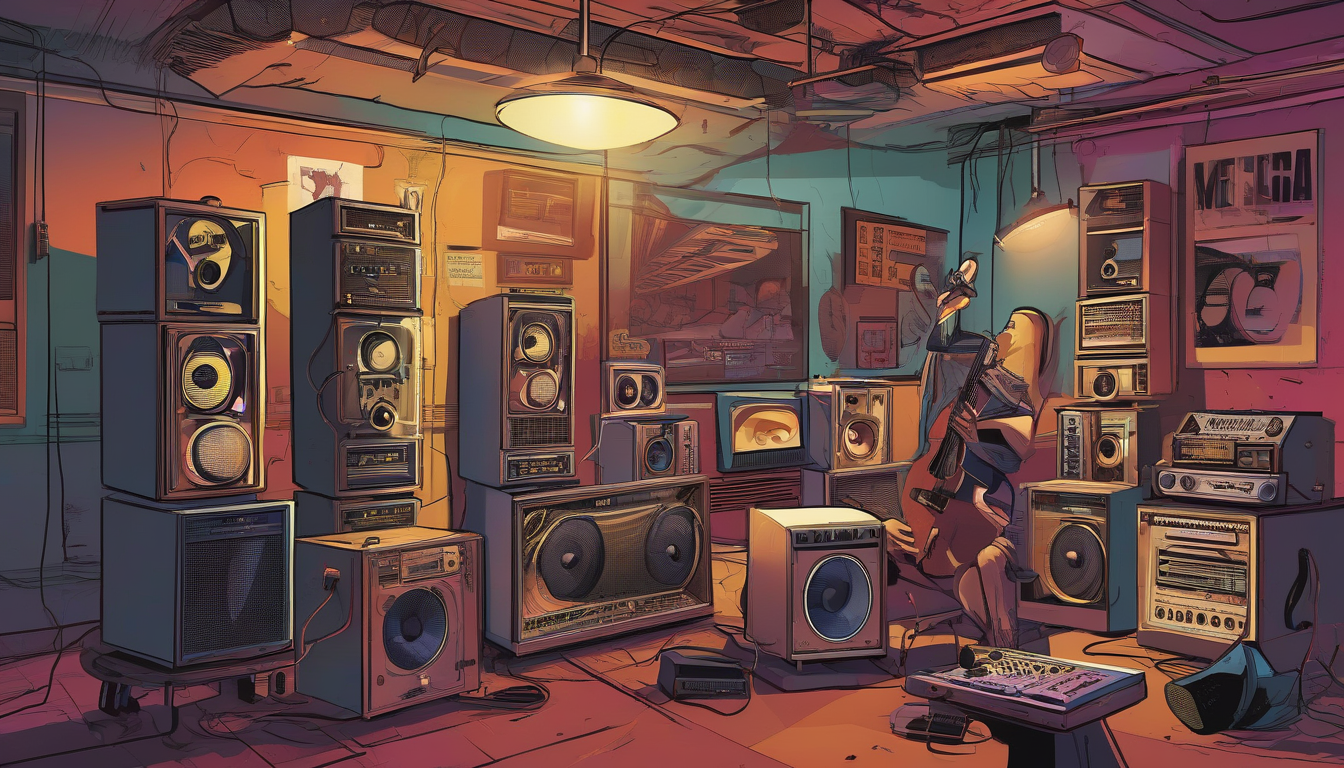
In an era defined by algorithmic homogenization, where streaming giants curate playlists based on predictive engagement rather than cultural context, a quiet counter-movement is gaining momentum. It is not driven by venture capital or global ad-tech firms, but by local enthusiasts, community organizers, and independent programmers. These indie internet radio stations are not merely broadcasting audio; they are reconstructing the social fabric of their neighborhoods. By prioritizing hyper-local curation, transparent operations, and genuine human connection, these small-scale broadcasters are winning back community trust in a media landscape that has largely lost it.
The Erosion of Shared Audio Spaces
To understand the resurgence of indie radio, one must first acknowledge the vacuum left by traditional broadcasting. For decades, terrestrial FM radio served as the town square—a shared auditory space where local news, weather, and music created a common denominator for communities. However, the consolidation of media ownership and the shift toward national syndication have stripped local stations of their regional identity. Listeners were left with generic hits and impersonal advertising, creating a disconnect between the broadcaster and the audience.
Simultaneously, the rise of digital streaming platforms offered choice but sacrificed cohesion. Algorithms optimize for retention, not relevance to place. A user in Seattle might hear the same playlist as a user in Sydney if their listening habits align, erasing geographic nuance. This atomization led to a crisis of trust. Audiences began to view media not as a public service but as a product designed to extract attention. The "local beat" disappeared, replaced by the global feed.
What’s Happening Now: The Hyper-Local Renaissance
Today, a new wave of internet radio stations is emerging across the globe, from small towns in the Midwest to urban districts in London and Tokyo. These stations are leveraging low-barrier entry technologies—such as Icecast servers, open-source software, and affordable streaming licenses—to bypass traditional gatekeepers. They are not trying to compete with Spotify or Apple Music on scale; instead, they are competing on intimacy.
These operators are returning to the roots of radio: the DJ as a trusted friend, the station as a community bulletin board, and the content as a reflection of immediate surroundings.
Key characteristics of this movement include:
* Hyper-Local Curation: Playlists are dominated by artists from within a 50-mile radius, often featuring unsigned bands, local poets, and neighborhood historians.
* Interactive Transparency: Many stations host weekly "open mic" streams or live Q&A sessions where listeners can request specific local stories or debates, fostering a two-way dialogue rather than passive consumption.
* Community-Supported Models: Rather than relying solely on intrusive digital ads, these stations often utilize membership models, local business sponsorships, and grants, aligning their financial incentives with community well-being.
* Niche Cultural Preservation: Stations dedicated to preserving endangered dialects, indigenous music, or specific subcultures provide a sense of identity and continuity that mainstream platforms ignore.
Why It Matters: Trust Through Proximity
The success of indie internet radio is not just a nostalgic nod to the past; it is a strategic response to the modern crisis of isolation. In a digital age where loneliness is epidemic, these stations offer a parasocial relationship that feels authentic. When a listener hears a host mention a recent city council decision or introduce a band that plays at the corner venue, the broadcast becomes woven into the listener’s daily reality.
For creators, this model offers a lifeline. Mainstream platforms often obscure emerging artists beneath millions of tracks. An indie station acts as a filter and a champion. As Elena Rossi, a station operator based in Detroit, explains:
> "When I play a track from a basement artist in Cass Corridor, I’m not just sharing a song. I’m validating their existence. The trust my listeners place in me comes from knowing I haven’t been filtered through a corporate boardroom. They tune in because they know the person behind the mic is also living in the city, feeling the same shifts in rent prices and community dynamics."
This proximity builds a loyal audience that is less likely to churn. Trust is not given; it is earned through consistency, transparency, and shared experience. For stations, this translates to higher engagement metrics and deeper community integration. For creators, it means being heard by an audience that actually cares about their work, rather than one scrolling past in a sea of content.
The Future of Local Sound
The trajectory of indie internet radio suggests a future where media is increasingly decentralized and community-owned. As technology continues to lower the cost of production and distribution, we may see a proliferation of micro-broadcasters serving specific interests or neighborhoods. However, challenges remain. Sustainability is a persistent hurdle; without robust funding models, many stations struggle to maintain consistent uptime. Additionally, the technical literacy required to manage streaming infrastructure can be a barrier to entry for some community advocates.
Despite these hurdles, the momentum is undeniable. The demand for authentic, human-centric media is growing. Listeners are fatigued by the impersonal nature of algorithmic feeds and are seeking out spaces where they feel seen and heard. Indie stations are filling that void, offering a sanctuary where the local beat still thrives.
Takeaway
The revival of indie internet radio is a testament to the enduring human need for connection and context. By reclaiming the airwaves for local voices, these stations are doing more than playing music; they are rebuilding the social contract between media and community. For industry stakeholders, the lesson is clear: trust is not built through scale, but through specificity. The future of radio lies not in reaching everyone everywhere, but in deeply serving someone somewhere. As we move forward, the most valuable currency in broadcasting will not be reach, but relevance.


